Meze, Raki, and the Check: Dining with Confidence on an Istanbul Companion Date
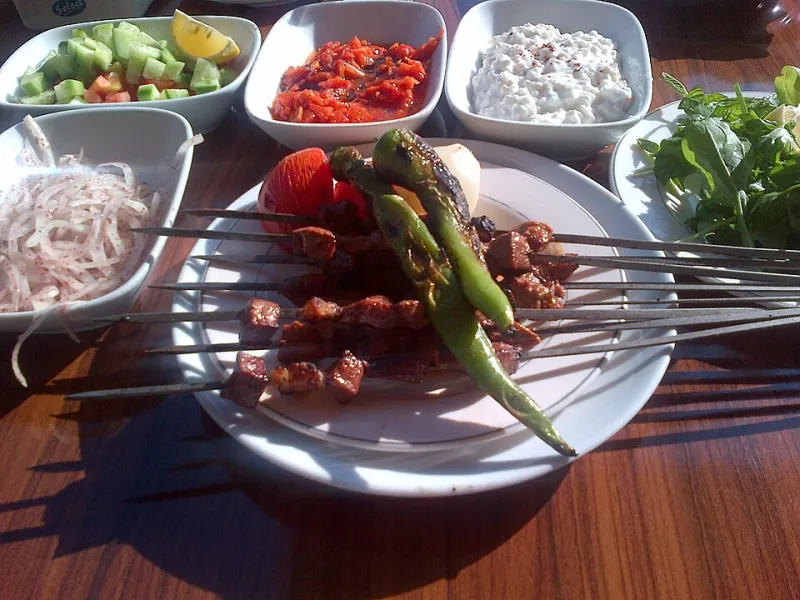
Photo: E4024, CC BY-SA 4.0, via Wikimedia Commons
An Istanbul dinner is rarely just a meal. It is a sequence of small arrivals: the table, the meze, the conversation, the tea, and finally the check. For an American traveler dining with an Istanbul companion, the evening works best when etiquette stays in the background. The point is not to perform flawless Turkish manners. The point is to make the table comfortable, keep the pace human, and avoid turning the bill into a small crisis.
At Istanbul Escort Blue, we treat dining as part of the broader companionship experience: a setting where courtesy, preparation, and self-awareness matter more than spectacle. What follows is a practical guide to the mechanics of the evening.
Choose the Room Before You Choose the Outfit
Restaurant selection sets the tone. Ask your companion for a preference rather than announcing a venue as a fait accompli. A neighborhood meyhane, a Bosphorus-view dining room, and a quiet hotel restaurant send different signals. Make a reservation when the venue warrants it, especially on weekends. Confirm the dress code directly with the restaurant if the listing is vague; smart casual is usually a safe baseline in Istanbul, but a special-occasion room may expect more.
Dress for the room, not for a photograph. A US traveler does not need to overcorrect with flashy labels. Clean shoes, a pressed shirt, and a jacket that suits the season will carry you further than an outfit that announces effort. If your companion has chosen something elegant, match the register without trying to outshine the room.
Let Meze Set the Rhythm
Meze is designed for sharing, but sharing has its own grammar. Order a few plates at a time rather than covering the table in a single gesture. Ask whether your companion has preferences or restrictions. Pass plates toward others rather than reaching across the table. Take a portion and move the plate along. The pleasure is in the progression, not in proving how much you can order.
Do not treat the menu as a checklist to be conquered. In many Istanbul restaurants, the pace is deliberately unhurried. Courses may arrive as they are ready. Servers may not hover. If you need something, make eye contact and ask politely; waving, snapping, or calling across the room is unnecessary. If you are ready for the check, the word hesap is useful, but a calm request in English will usually suffice.
Raki Is a Ritual, Not a Test
If raki is on the table, treat it as a ritual rather than a challenge. It is traditionally diluted with water and served with ice, and the cloudy result is part of the experience. Sip slowly. Eat something. Alternate with water. The goal is conviviality, not intoxication. If you do not drink alcohol, say so plainly and without apology; a good companion will respect the choice, and the evening does not depend on it.
Watch the pace of the table rather than the pace of your own glass. In Turkish dining, hospitality often expresses itself through offering more, but you are not obliged to accept every pour. A simple no thank you, delivered warmly, is sufficient.
Decide the Bill Question Before It Becomes Awkward
Payment is where good intentions can curdle. If your booking arrangement includes dinner, confirm that before the evening. If it does not, assume you are hosting unless the two of you have agreed otherwise. Do not interrogate your companion about the bill in front of staff, and do not announce the amount. A discreet word with the server, or a card offered quietly, preserves dignity on both sides.
In Istanbul restaurants, a service charge may appear on the check. If it does not, a tip of roughly ten to fifteen percent is customary in many sit-down restaurants, though practices vary. Tip the restaurant staff for the restaurant service. Do not confuse that gesture with the companion booking fee, and do not use a restaurant tip as a substitute for whatever you agreed with your companion. If your companion offers to split the meal, accept graciously or decline once, without turning the offer into a debate.
Keep the Evening Comfortable, Not Theatrical
Good etiquette is mostly anticipation. Confirm the reservation. Ask about dietary needs. Keep your phone away. Notice when the conversation needs a lighter turn. Do not quiz your companion on Turkish customs or ask them to perform the role of local translator, guide, and cultural attaché all at once. If you make a mistake, a brief apology is enough; excessive self-criticism makes the table about you.
At the end of the evening, thank the staff, collect your belongings, and leave the room as calmly as you entered it. The measure of a successful dinner is not whether you executed every custom perfectly. It is whether both people can look back on the table as a pleasant place to have spent an hour or two.