When the City Fasts: Planning Companion Dates Around Istanbul's Ramadan Season
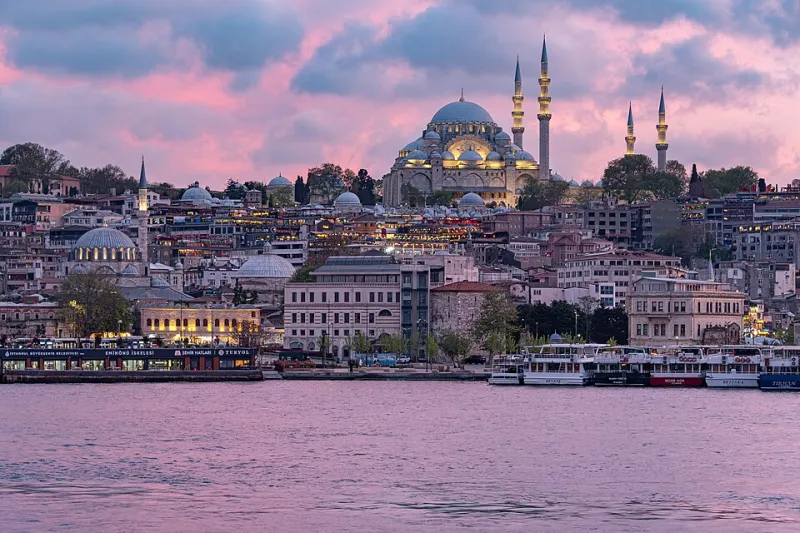
Photo: Jorge Franganillo, CC BY 2.0, via Wikimedia Commons
Every year, Istanbul spends roughly thirty days on a different clock. Meals move. Traffic moves. Even the personality of a neighborhood shifts between afternoon and midnight. For a visitor from the United States whose trip happens to overlap with Ramadan, this is not a reason to cancel plans or postpone a companion booking — it is a reason to plan more thoughtfully, and to understand that the month carries its own particular beauty.
Ramadan follows the lunar calendar, which means it drifts roughly eleven days earlier each year and can land in any season. The next observance begins in late winter 2027, and travelers booking winter and spring itineraries should confirm the exact dates for their travel year before locking in anything else. Once the dates are confirmed, the planning can begin in earnest.
What Actually Changes in the City
The mechanics are simple. Observant Muslims fast from dawn until sunset — no food, no water, no smoking. In a city of more than fifteen million, that commitment touches nearly everything.
Midday restaurants stay open, particularly in touristic districts, but many neighborhood establishments shorten their hours, close altogether, or serve a quieter clientele. Alcohol is harder to find in some venues during the month; a few restaurants pause service entirely until after sunset. Shortly before the evening call to prayer, traffic thickens noticeably as families hurry home to break the fast. Then, almost on cue, the city exhales — tea gardens fill, promenades crowd, and the hours between nine at night and two in the morning become the social center of gravity.
Rethinking the Clock
For visitors accustomed to dinner at seven and an early night, the most useful adjustment is simply to slide the day later. A companion meeting scheduled for nine or ten in the evening will feel far more natural during Ramadan than one that begins at five in the afternoon, when the person across from you may be counting the minutes until sunset.
The corollary matters just as much: avoid booking daytime activities that require your companion to sit through your lunch. If you need to eat during the day, eat — but choose a setting that does not turn your meal into an unintended test of someone else's discipline.
It is also worth remembering that some companions observe the fast themselves and some do not. Good manners do not require you to ask which. Simply offering flexibility — an evening slot rather than an afternoon one, a choice of pace — communicates respect without prying.
The Iftar Table as a Shared Experience
The meal that breaks the fast, iftar, is the heart of the month, and an invitation to share one can be a genuinely lovely way to spend an evening. Well-known restaurants serve fixed iftar menus, and reservations are essential; the most sought-after tables are booked well in advance, sometimes weeks out. Book early and confirm in writing.
At the table, the etiquette is straightforward. Wait for the call to prayer before beginning. Let your companion explain the dishes if she offers to. Keep the mood unhurried — the first minutes of the meal are not a time for rapid-fire conversation. And if your companion is fasting, skip the wine list entirely; when in doubt, water and tea are always gracious choices.
Daytime Courtesy in Public
If you spend daylight hours walking the city with a companion, the small courtesies matter. Refrain from eating, drinking, smoking, or chewing gum as you stroll, particularly in conservative neighborhoods and around mosques. Dress with a touch more modesty than you might otherwise — covered shoulders, no beachwear far from the water. Keep displays of affection restrained.
None of this is onerous, and none of it is about restricting a visitor's freedom. It is the same instinct that leads a traveler in the American South to dress up for a church supper: awareness of the room you are in.
Suhoor and the Late Hours
The pre-dawn meal, suhoor, gives Istanbul some of its most distinctive Ramadan nights. Certain districts stay lively until the small hours, serving breakfast plates and strong tea to people who will fast the following day. If both of you are inclined, this can be a memorable and unusual outing. It also means, naturally, that mornings will be quiet — build that into your expectations rather than fighting it.
The Final Ten Days and the Eid Holiday
The last ten nights are considered especially sacred, and some companions will have less availability then. Plan around that rather than pressing. The month then closes with Eid al-Fitr, a three-day holiday when businesses shutter, families travel, and the city celebrates. Restaurants fill, transport tightens, and reservations become nearly impossible on short notice. If your visit coincides with Eid, book everything early, keep a small gift of sweets or flowers in mind, and leave slack in your itinerary for the unexpected.
Planning Practicalities
A few habits will smooth the whole experience: confirm the Ramadan dates for your travel year; reserve restaurants and airport transfers ahead; allow extra time for journeys in the hour before sunset; and keep your own eating schedule flexible. Most importantly, raise timing with your companion in advance. A short, clear message asking whether an evening meeting would suit her better during the month will be received as exactly what it is — thoughtfulness.
Flexibility, in the end, is the etiquette. A visitor who adjusts calmly, who does not treat the holy month as an inconvenience, and who lets the city set the tempo will find that Ramadan is not an obstacle to a good companion experience. It is a different, and often richer, frame for one.