A Small Thing, Well Chosen: Gift Etiquette for First and Repeat Meetings in Istanbul
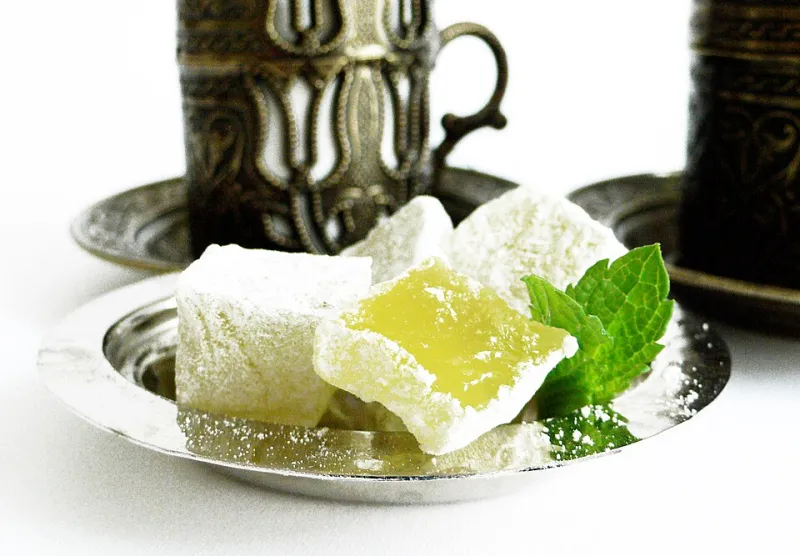
Photo: c.berlin, CC BY-SA 4.0, via Wikimedia Commons
Gift giving in Turkey is warm, frequent, and governed by instincts most American visitors already possess without naming them: generosity offered lightly, never in a way that makes the recipient feel indebted. That last clause is the whole game. A present that arrives with visible weight attached — a price tag, an expectation, a silent ledger — will do less for the evening than no present at all.
What follows is a practical framework, organized as it should be: first the principles, then the specifics.
The Three Questions to Ask Before You Buy Anything
First, does this fit the stage of the relationship? A first meeting calls for something modest and easy to receive. A fourth or fifth meeting can carry more personal meaning, though not necessarily more expense.
Second, does this create an obligation? Anything expensive, wearable, or conspicuously luxurious shifts the balance of the evening. The recipient now has to respond to the gift rather than simply enjoy your company.
Third, is this about her or about you? A gift that reflects an actual thing you learned — her favorite tea, a city she mentioned wanting to visit, a book by an author she quoted — lands far better than a generic luxury item chosen to demonstrate your taste.
Do: Choose Things That Travel Well and Are Shared
Consumables are almost always safe. Good chocolate, a box of Turkish delight from a reputable shop, a small tin of tea, a jar of honey from your home region. They can be enjoyed immediately, shared with a roommate or family member, and they do not clutter a small apartment.
Bring something from home. American regional specialties carry real charm abroad: a bag of coffee beans from a roaster in your city, a jar of maple syrup, a box of pralines, a locally made candle. It says something about where you come from, and it starts a conversation that has nothing to do with the transaction at hand.
Flowers remain a classic, with one caveat. Choose a modest, cheerful bouquet — carnations, tulips, mixed seasonal stems. Avoid white lilies and chrysanthemums, which carry funeral associations in Turkey as they do in much of Europe. Skip red roses on a first meeting; they read as a declaration rather than a courtesy.
Books, stationery, and small well-made objects work beautifully for repeat dates, particularly if you know the person's interests. A nice notebook, a good pen, a paperback by a Turkish author in English translation — all are gracious and pressure-free.
A handwritten note. Two or three lines on a card, in your own hand, costs almost nothing and is remembered longer than most purchased items.
Don't: The Five Reliable Missteps
Cash in an envelope. Whatever the intention, this reads as a top-up on an agreed rate and can feel transactional in the worst way. Settle financial arrangements through the agreed channel, in advance, and keep them entirely separate from anything gift-wrapped.
Perfume, lingerie, or clothing. These are intimate categories that presume a level of closeness the meeting may not have, and they can imply an interest in how someone presents herself. Too personal, too soon.
Jewelry and watches. Same problem, larger price tag. A costly item on a first meeting often feels less like generosity than like an attempt to establish control or secure a return.
Alcohol. Even setting aside religious observance, a bottle of wine as a gift to a professional companion is awkward to carry, awkward to decline, and can be genuinely inappropriate during Ramadan or for a non-drinker. Choose something else.
Sharp objects. Knives and knife sets carry a superstition in Turkey — giving one is said to cut the relationship. If you must, the folk remedy is to ask for a symbolic coin in return. Easier simply to pick something else.
Timing and Delivery Matter as Much as the Object
Hand a gift over at a natural pause, not in the first thirty seconds and not in a crowded doorway where the recipient has to manage an audience. Keep the wrapping simple; elaborate presentation heightens the sense of obligation. Say one short sentence about why you chose it, then let the subject drop. Do not linger, do not ask whether she likes it, and never mention what it cost.
One practical note for the holy month: during Ramadan, a food gift offered in daylight is a difficult present to receive. If your visit overlaps with the month, either wait until after sunset or choose something non-edible.
Building on a Good Start
For repeat meetings, the most valuable gift is not escalation but attention. Remember what she ordered last time. Notice that she mentioned a sister's wedding, and ask about it two months later. Bring the same tea she liked, again, without fanfare. Consistency communicates care in a way that a bigger box never will.
If you would like guidance, ask — a simple message noting that you would like to bring a small something and wondering what she would actually enjoy is not awkward. It is considerate, and it removes the guesswork entirely.
At Istanbul Escort Blue we have watched enough first meetings go slightly sideways to know that the difference between a charming gesture and a clumsy one is rarely the item. It is the sizing: the gift that fits the moment, offered without strings, by someone paying attention.